

You don’t have to be a hardcore birder to get excited when thousands of birds take off at once. Whether you’re a casual wildlife lover, someone who’s just picked up their first pair of binoculars, or the notetaking, checklist-ticking type, bird migration is one of the coolest natural phenomena you can witness. And guess what? You can experience it in beautiful places all over the world.
What’s more, many of the best migration spots are surprisingly welcoming for visitors. Think easy-to-access trails, cozy places to stay nearby, and a chance to see something truly wild — no Wi-Fi required. So if you’re in the mood for travel that gets you out in the fresh air and puts your eyes on the sky (and not your phone), this one’s for you.
Jaguar Ecological Reserve — Pantanal, Brazil
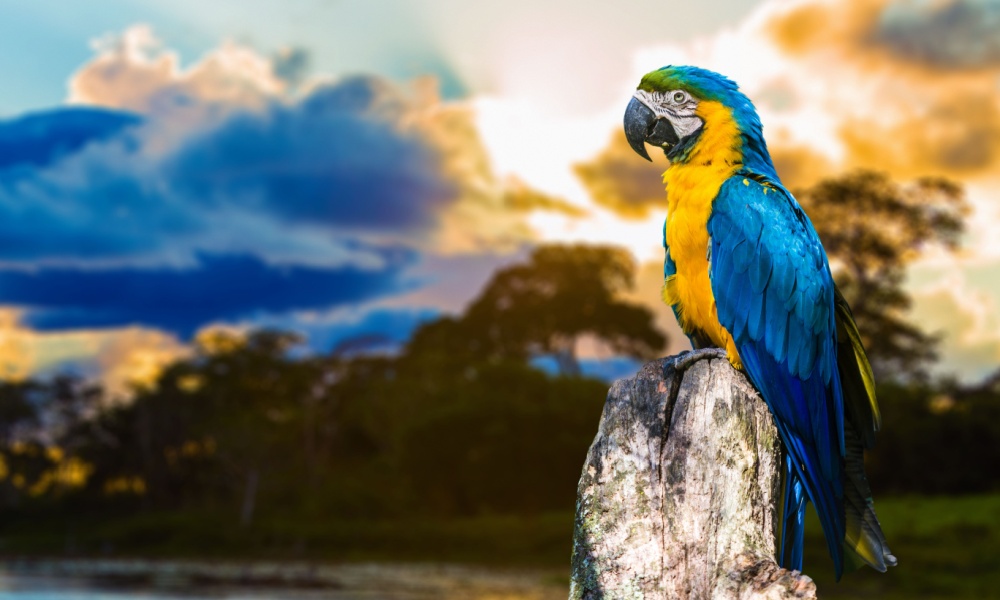
The Pantanal region in Brazil might not be the easiest place to get to, but it’s absolutely packed with wildlife — especially during bird migration season. The Jaguar Ecological Reserve, located inside this massive wetland system, is home base for parakeets, parrots, and toucans, among others. During peak times, it can feel like the entire forest is moving. You’ll hear loud squawking long before you spot your first bird.
You’ll mostly see South American species migrating from the northern and southern parts of the continent. Water birds like herons and ducks gather in flooded fields, while brightly colored macaws glide between trees. Birdwatching here involves more than watching through binoculars — it’s one of the few places where hearing the birds is just as much a part of the experience as seeing them. Early mornings and late afternoons are some of the best times to go out, and whether you’re into photography or using a field guide, there’s plenty to keep you occupied.
Point Pelee National Park — Ontario, Canada
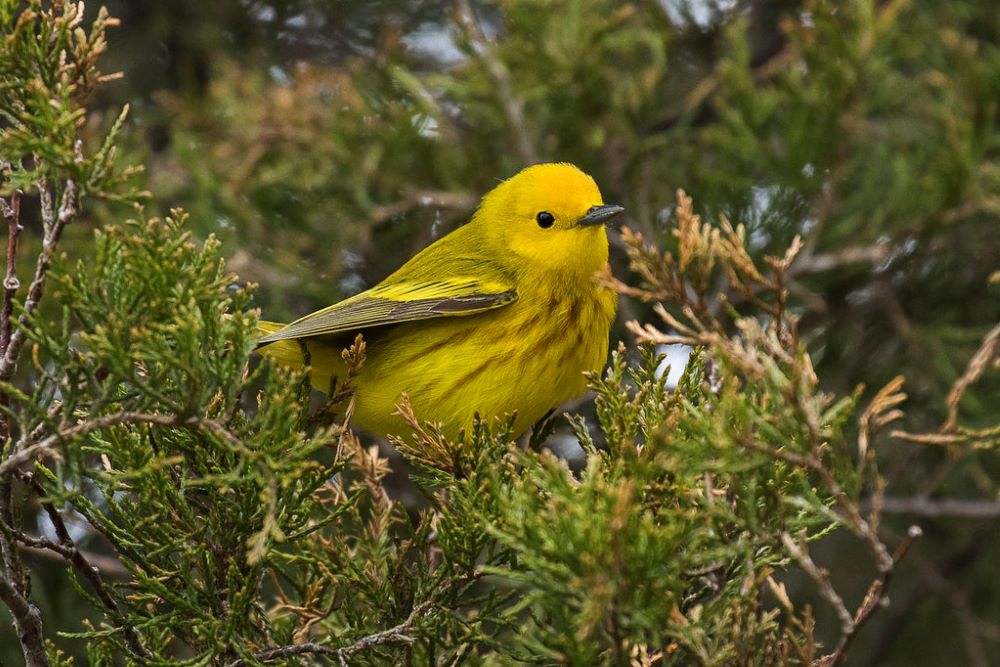
Yellow Warbler – Point Pelee – Ontario_11052017-FJ0A4785 by Francesco Veronesi licensed under CC by 2.0
Point Pelee might be tiny, but it’s an important migration stop for birds crossing the Great Lakes. This narrow stretch in southern Ontario sticks right into Lake Erie, making it a perfect place for birds to pause before or after long flights. If you’re planning to visit a migration destination in Canada, make it this one. You’ll get close views of warblers, orioles, thrushes, and sparrows, plus the occasional owl or raptor.
Plenty of other species pass through as well. Point Pelee also sees large migrations of butterflies and dragonflies. With boardwalks, trails, and solid viewing platforms, it’s easy to spend the whole day outside without needing more than a good pair of shoes and a camera. Come in May to catch the height of spring migration. Fall is also worth a visit, especially if you’re excited to spot birds of prey.
Cape May, New Jersey
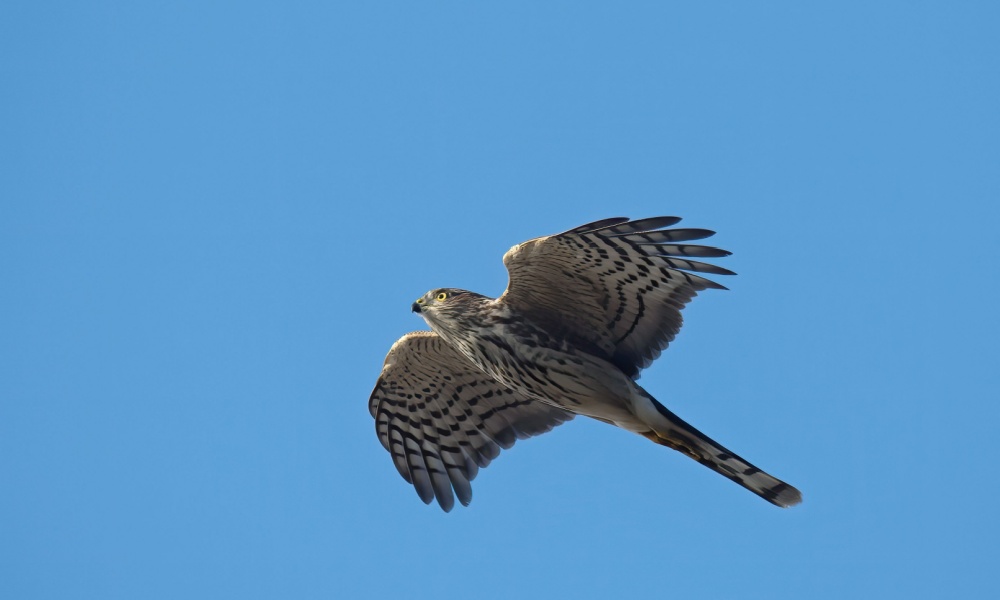
Cape May, New Jersey is way more than a beach town. Every fall, it becomes one of the top birdwatching locations in the eastern United States. As birds continue their journey along the Atlantic Flyway, they funnel into this narrow tip of New Jersey. That concentrated movement gives you a front-row seat to a huge variety of species in one compact area. Expect hawks gliding overhead, warblers darting through the shrubs, and shorebirds pacing the coastal edges.
Check out the Cape May Hawkwatch Platform at Cape May Point State Park. The setup is ideal — experienced birders keep an unofficial tally, while visitors ask questions, share sightings, or enjoy the show. Whether you’re hiking the trails or scanning from a bench, you’re in for a busy day. Aim to visit between September and November for optimal viewing.
Kruger National Park — Mpumalanga, South Africa
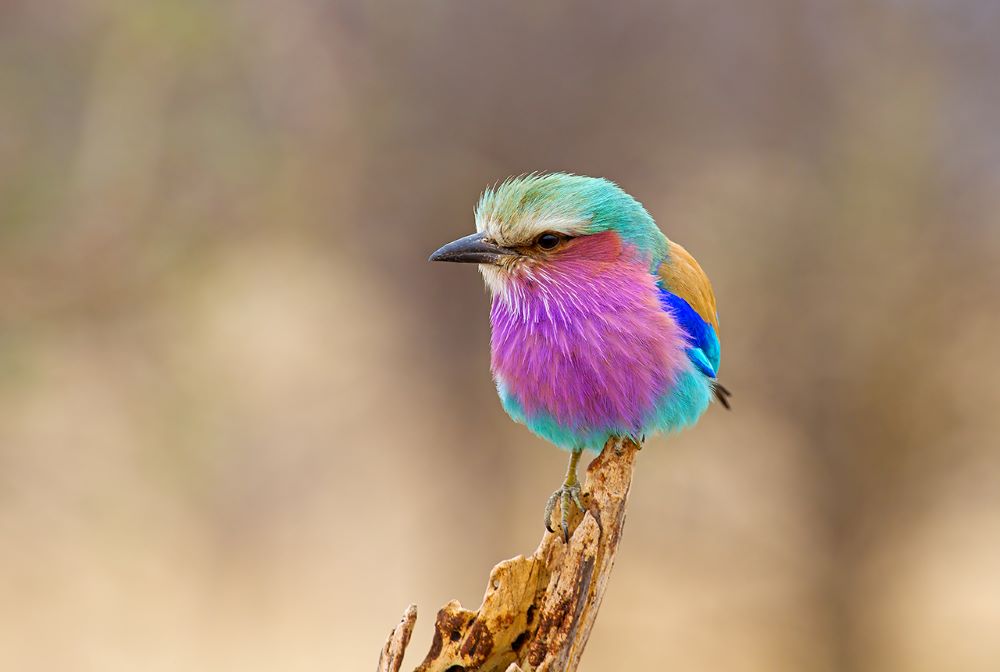
Lilac chested roller by Sekar Balasubramanian licensed under CC by 2.0
Kruger National Park is known for its safari opportunities, but it’s also a major destination for migrating birds crossing the African continent. Raptors, in particular, use this area as part of a north-south transit route. Everything from European honey buzzards to Wahlberg’s eagles pass through or stay temporarily. The mix of habitats, from rivers and forests to open savannahs, offers options for different bird species, so even during peak tourist season, there’s plenty to watch overhead.
The dry season, which runs from May to September, lines up with the winter migration and is a great time for spotting big flocks and larger birds of prey. Vultures, kestrels, and harriers make regular appearances. You’ll also see storks, rollers, and bee-eaters, some of which travel thousands of kilometers from Eurasia to reach parts of southern Africa. Kruger’s vast landscape makes it easy to find quiet corners where birds dominate the scene, away from the bigger crowds chasing elephants and lions. If you’re doing a proper birdwatching circuit through South Africa, Kruger is a can’t-miss stop.
The Strait of Gibraltar, Spain
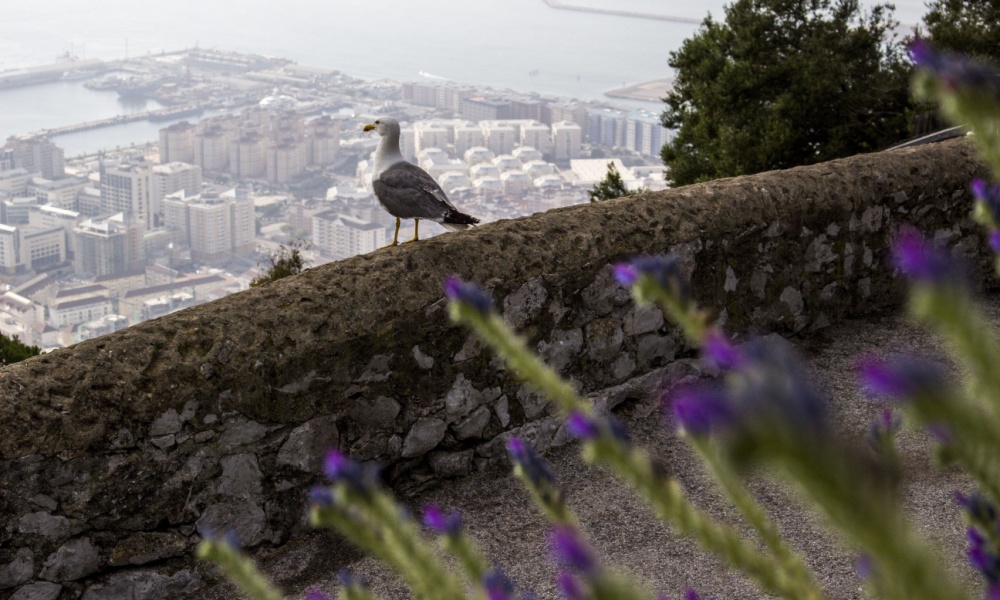
The Strait of Gibraltar acts as a narrow link between Europe and Africa. and every spring and fall, it turns into a migration highway. Soaring birds such as storks, eagles, vultures, and kites use this short gap to cross into new territory. They rely on rising thermals and favorable winds to make the sea crossing as efficient as possible, and this area provides a clear launch point.
To watch the action, head up the hills near Tarifa in Spain. You’ll spot birds circling and rising before committing to the flight over open water. Some glide effortlessly, others catch strong air currents and wobble their way across. It’s unpredictable and exciting. Bring a wide-brim hat or sunscreen, as shade is limited along many of the trails. It’s also smart to check conditions — if winds shift, birds may delay their travel, keeping things quiet until the next big wave arrives.
Bosque del Apache National Wildlife Refuge — San Antonio, New Mexico

If you’ve never heard the ancient sound of thousands of sandhill cranes calling in unison, put Bosque del Apache on your travel list. This wildlife refuge in New Mexico turns into a haven for waterfowl and waders in the fall and winter. Each year, nearly 15,000 sandhill cranes and over 40,000 snow geese descend upon the refuge’s managed wetlands and fields. They come in for rest, feeding, and shelter before continuing their journeys to or from northern breeding grounds.
The spectacle begins at sunrise when birds lift off in synchronized waves. It’s cold that time of day, so pack layers; but it’s absolutely worth it. The sight of thousands of birds taking flight with the sun glowing behind them is something you won’t forget. By mid-morning, huge flocks settle into nearby feeding areas where you can get excellent views for photography or spotting social behavior. The refuge’s loops and trails make it easy to move between viewing points, and the nearby town of Socorro has everything you need to make a weekend out of the experience.
RELATED: Wildlife Adventures: A Traveler’s Guide to the Best Zoos Around the World
The Wadden Sea — Denmark, Germany, and the Netherlands
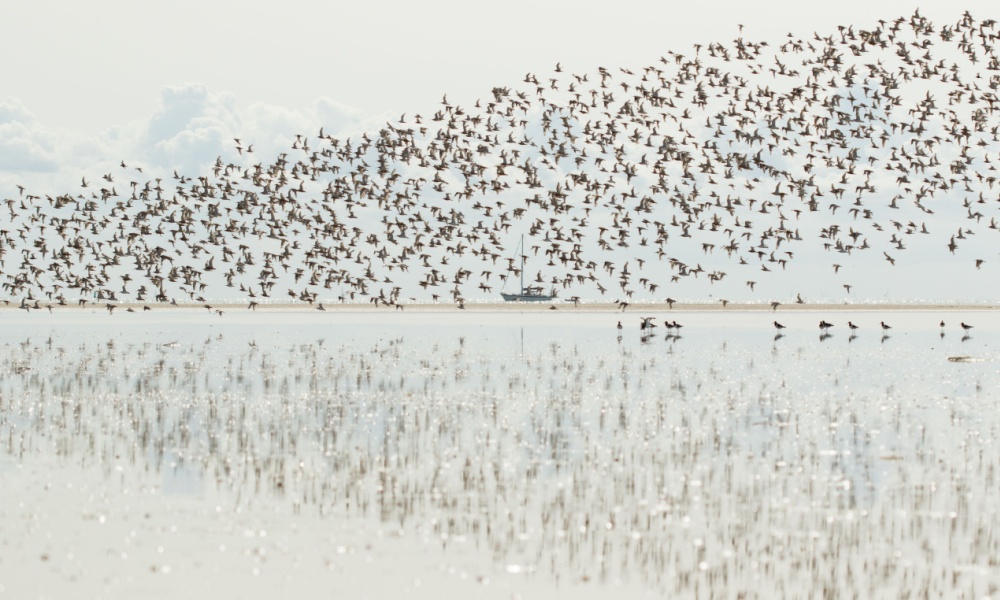
The Wadden Sea, stretching along the coasts of Denmark, Germany, and the Netherlands, plays a critical role in the migration patterns of millions of birds. As a tidal wetland, it exposes mudflats that are rich in minerals and other various wildlife, which serve as fuel for refueling birds such as red knots, godwits, and bar-tailed curlews. These birds travel from the Arctic to West Africa and rely on this area to rest and eat.
If your timing works out, you’ll see these birds flying in tight formations, shifting directions in response to both predators and food supply. The numbers can climb quickly into the tens of thousands. Step onto a viewing platform (or better yet, join a guided mudflat walk), and it won’t take long before you’re watching birds zip, dodge, and swarm all around you. Pick the right time — low tide is key — and you could catch flocks tens of thousands strong, shifting shapes mid-flight as they respond to predators or follow the food. It’s messy, it’s noisy, and it’s absolutely worth getting your boots dirty. Just don’t forget to check the tide chart before you go.
FAQs:
Q: What kind of gear should I bring for birdwatching during migration season?
A: A good pair of binoculars, a bird field guide or birding app, a notebook, comfortable walking shoes, sun protection, water, and layered clothing are all essential. A spotting scope and camera with a telephoto lens are useful at larger locations.
Q: When is a great time of day for birdwatching during migration?
A: Early morning is usually an active time for birds, as many migrate overnight and forage at sunrise. Late afternoon can also be productive, especially near feeding or roosting sites.
Q: Do I need a permit to birdwatch at these migration hotspots?
A: Some places, like national parks or wildlife refuges, may require an entrance fee or permit. It’s a good idea to check the website of the specific location before your visit.
Q: Is guided birdwatching available at these locations?
A: Yes, many of these sites offer seasonal guided tours led by expert birders or park rangers. These tours can be great for beginners and typically operate during peak migration months.
Q: Can beginners enjoy bird migration hotspots, or are they geared toward experienced birders?
A: Beginners are absolutely welcome. Migration hotspots often have infrastructure like marked trails, observation platforms, and helpful signage. Many local guides and fellow birders are friendly and willing to give tips.
Q: What field guides or apps do experienced birders use?
A: Popular field guides include the Sibley Guide to Birds (for North America) and Collins Bird Guide (for Europe). For apps, Merlin Bird ID, iBird, and eBird are widely used for photo ID, calls, and tracking sightings.
Where is your favorite place around the world to go bird-watching? Let us know in the comments section below!
Leave a Reply